

Know your signs

Being aware can make all the difference in minimizing an attack
Debbie, RUCONEST patient
Every HAE attack is different.
They can vary in length, location, and intensity. So, recognizing your early signs matters.
Signs and symptoms differ from person to person and may include:

Fatigue
Painless or non-itchy rash
Stomach upset
Headache, anxiety, or mood changes
Difficulty swallowing and breathing*
*Seek medical help immediately
Numbness, tingling, or skin tightening
Muscle and joint pain
Know your triggers.
Even though swells may occur without a clear trigger, it’s important to recognize some common triggers that can lead to an attack.

Anxiety
Stress
Minor injuries
Infections
Certain medications
Hormonal changes
Surgical or dental procedures
Common areas of attacks*
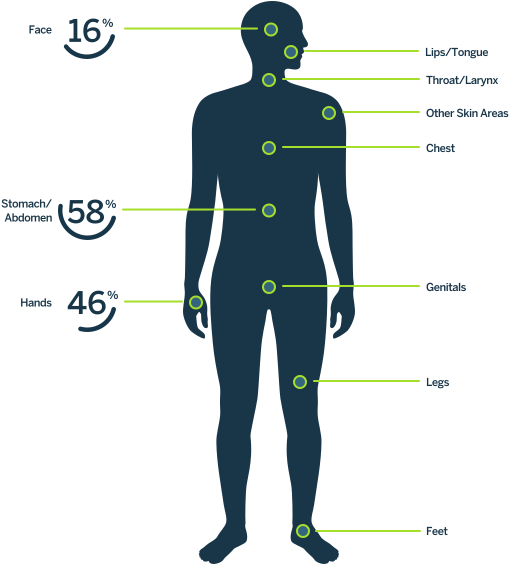
*Survey of 445 HAE patients in 2017.
Can occur on their own, or with attacks in the larynx. It’s important to take these seriously, as the swelling can potentially block airflow making it hard to breathe.
Can cause swelling in the throat, making it hard to breathe or swallow. This can show up as your throat tightening, trouble talking, or changes in your voice. These attacks are the most dangerous because the swelling can block your airway, leading to suffocation.
†Seek immediate medical attention. RUCONEST effectiveness was not established in patients with laryngeal attacks.
Can block your airways, making it hard to breathe and changing your voice. Like laryngeal, uvula, or soft palate attacks, it’s important to take tongue swelling seriously, because it can become severe enough to cut off airflow.
HAE attacks can cause skin swelling in:
Hands, arms, feet, legs, and thighs
Face, especially the lips and around the eyes
Genitals, pelvis, and trunk
Cause swelling in the intestinal wall, and can lead to severe stomach pain, nausea, vomiting, and diarrhea. Since HAE is rare, doctors often misdiagnose it as appendicitis, Irritable Bowel Syndrome (IBS), or recurrent pancreatitis.
Gain control when it matters most.
RUCONEST can be used at the first sign of a swell.
RUCONEST, a C1-inhibitor, replaces the missing or nonworking C1-INH to stop an HAE swell before it fully develops.
US HAEA Medical Advisory Board 2020 Guidelines state early treatment is important to prevent swell progression, no matter how severe. After self-administering treatment, you should seek medical care if the attack involves the airway.

RUCONEST: Treating the Root Cause of HAE
Stay Connected
Get updates on treatment and more to help you stay in control of your HAE.
Real Patients. Real Experiences.
See how others are taking control of HAE symptoms with RUCONEST.